Lord Wellesbourne
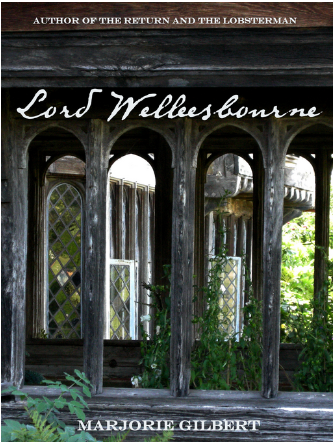
William Sinclair becomes Earl of Wellesbourne when he is eighteen following the deaths of his profligate father and brother. He marries then labors to restore the nearly bankrupted estate. Three years later, he suffers a devastating tragedy, leaving him emotionally scarred and determined to bury himself in his duties.
Katherine Garrett is the daughter of the late Dr Lucius Garrett, a noted archeologist and expert in Roman antiquities found in England. Frederick Blake, her father's colleague, covets the collection and Katherine. She escapes his advances, and begs the village magistrate for help. The magistrate refuses, preferring to believe the respectability Blake assumes. Because her father had spoken favorably of the Earl of Wellesbourne, Katherine decides to appeal to him. En route, she gets caught in a fierce storm. Lightening startles her horse, and she falls from his back, knocking herself senseless on the road.
While Wellesbourne travels home following Parliament's end, his coach stops suddenly. A young woman is lying senseless in the road. Though alive, her pulse is slow and her skin dangerously cold. Wellesbourne brings her to his manor where his servants and the neighborhood physician, tend her. Little does he realize how this young woman will shake him to his core and teach him it is possible to hope again.
Marjorie Gilbert is the author of two historical novels set in Georgian England. The first historical novel, The Return, was featured in discussion groups, as well as earned the author numerous requests to be a guest speaker at various book groups (including one in Australia). The author’s second novel, Lord Wellesbourne, received third prize in the Royal Ascot, a contest sponsored by the Beau Monde, a Regency-themed chapter of the Romance Writers of America. Marjorie Gilbert lives in Maine with her husband and two daughters.
NOTABLE PEOPLE IN LORD WELLESBOURNE
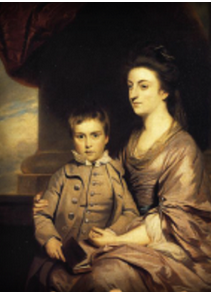
Lady Pemberton
Lady Pemberton is based on Elizabeth Herbert, Countess of Pembroke and Montgomery (1737-1831). She was the daughter of Elizabeth Trevor and Charles Spencer, 3rd Duke of Marlborough. In 1760, the Countess of Pembroke became the Lady of the Bedchamber to Queen Charlotte, a duty the fictional Lady Pemberton shares.
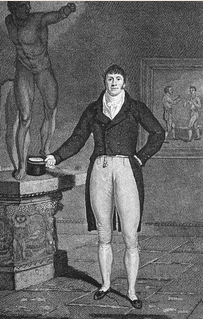
John "Gentleman" Jackson (1770-1845)
John "Gentleman" Jackson, the former heavyweight champion of England and the teacher of the "Sweet Science" to the member of the Ton, makes his appearance indirectly in Lord Wellesbourne. Wellesbourne is one of his students.
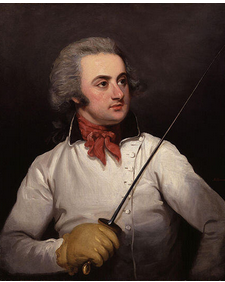
Henry Angelo (1756-1835)
Henry Angelo had a fencing academy on Bond Street near John "Gentleman" Jackson's boxing salon. He, too, makes an indirect appearance in the book as Wellesbourne frequents Angelo's academy also.
CONNECTIONS BETWEEN LORD WELLESBOURNE AND THE RETURN
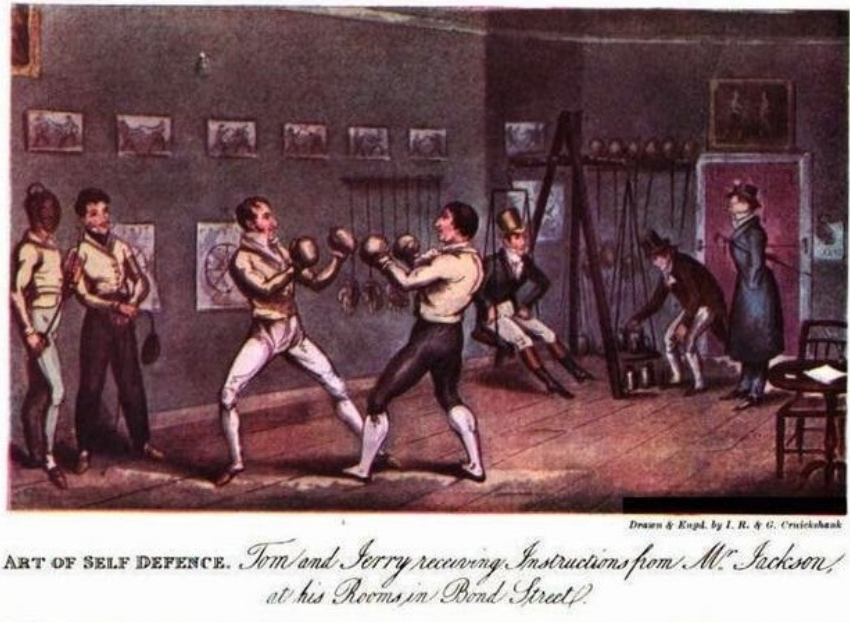
Boxing: Like Lord John Latham, protagonist of The Return, Wellesbourne is a boxing enthusiast, though not on a professional level. And, like Latham, Wellesbourne boxes at Jackson's boxing salon, the former as a participant of a match held there, the later as a student.
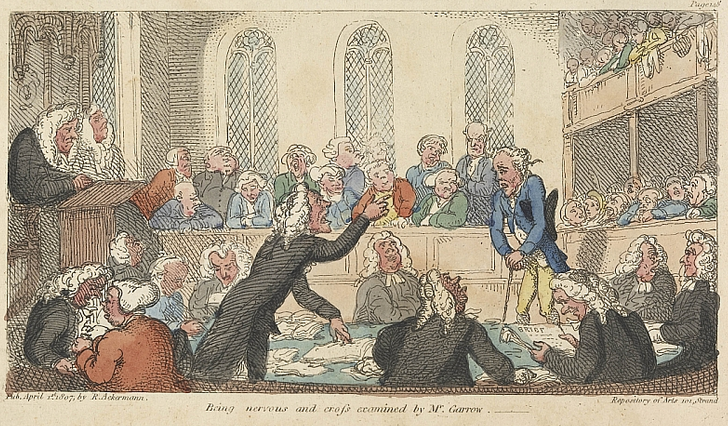
The Law: Herbert Ward serves as the solicitor for both the Latham and Sinclair families.
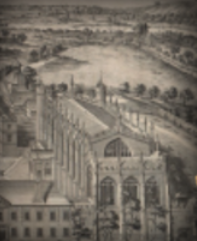
Eton College: Both Latham and Wellesbourne attend Eton College at the same time. However, as Latham is two years older, he is two forms ahead of Wellesbourne.
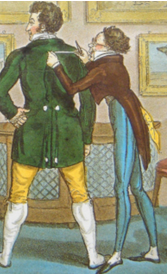
The Tailors: Both Latham and Wellesbourne patronize the exclusive tailor shop on St James Street of Tobias and Smythe.
SILVERSMITHING AND GEM CUTTING
As silversmithing and gem cutting played a role in Lord Wellesbourne, learning about them was necessary in order to portray them realistically in the book. In this, I was aided by two very talented and respected craftsmen, both of whom live in Maine.
One of the most deafening, frightening, and exciting parts of the research was observing John Henkel of J A Henkel Co casting a silver armband.
Standing on a raised platform, wearing eye and ear protection, I watched him melt the metal in his (thankfully, electric) furnace, then transfer the melted metal into the mold and cool it in a massive barrel if water.
Like Wellesbourne, I was not keen to have the contents of the mold tipped into my hands, but like Wellesbourne, found the result beautiful and well-crafted.
Thanks to Henkel's suggestion, David Golding of Golding Jewelers transfers his molten metal into the mold in the unconventional method which startled Wellesbourne. It was a method created by the Egyptians.

Dennis Creaser of Creaser Jewelers generously gave his time when he allowed me to observe him as he shaped a gem on his lapidary wheel (my youngest daughter, Pearl, watched from the Baby Bjorn strapped to my back, while my eldest, Isabel, watched from a nearby couch). Since he is one of the few gem cutters in Maine, this was an amazing experience. I owe much to his careful explanation of what it took to coax the facets from an uncut stone.
Gems have been a part of Creaser's life since he was twelve. He has also been a participant in such notable events such as cutting a "record-sized gem" , recreating an historical Maine brooch, as well as finding precious stones and gems in Maine quarries, and more. You can read about it in Creaser’s book, Mining, Treasure Hunting, and the Pursuit of Purple, The complete story of the 4th of July Amethyst Pocket and other great adventures.

LORD WELLESBOURNE’S TAUNTON HALL
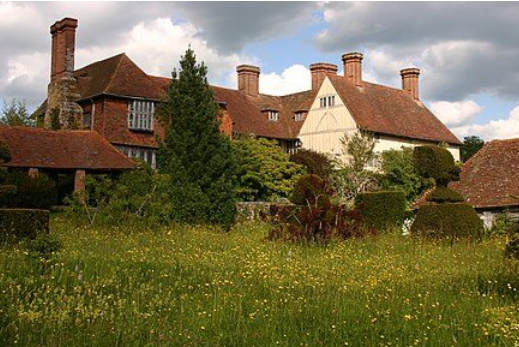
When researching a possible home for Lord Wellesbourne, I fell in love with Great Dixter. Because Great Dixter is in southern England and Wellesbourne lives in Warwickshire, in the Cotswolds, I decided to move the house north.
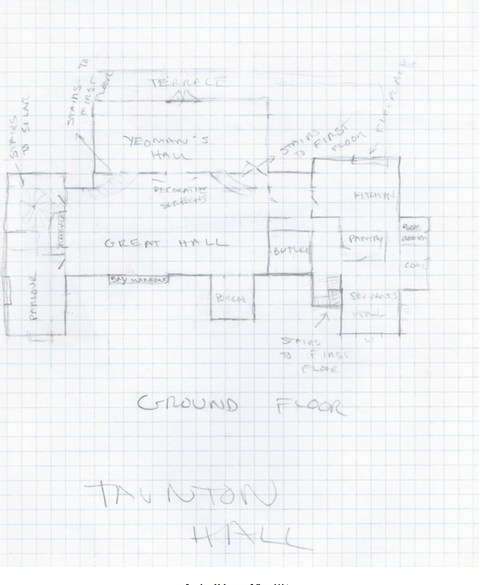
As I was not able to find plans of the building, I had to create my own, replying on several books on Tudor architecture a well sites online, I drew plans based on my research.
© 2025 Marjorie Gilbert

© 2025 Marjorie Gilbert
These plans helped me to move the characters through the building as well as see Taunton Hall in a three-dimensional way.
According to History Hit, "The present Great Dixter is actually three houses, one built here in the mid-15th century with slightly later additions, the second a yeoman’s house from Benenden, across the border in Kent, built in the early 16th century and moved here in 1910, and the third combines the two with additional accommodation, completed in 1912. It was at this time that the house was renamed Great Dixter, to distinguish it from Little Dixter next door." (https://www.historyhit.com/locations/great-dixter-house-and-gardens/) I followed this trend in the creation of Taunton Hall, as well as embellished it with two hand-carved staircases.
Like Great Dixter, Taunton Hall has elaborate gardens. Thanks to Wellesbourne's father and brother, the previous Earls of Wellesbourne, they had fallen into neglect--something the present Lord Wellesbourne is in the process of reversing.